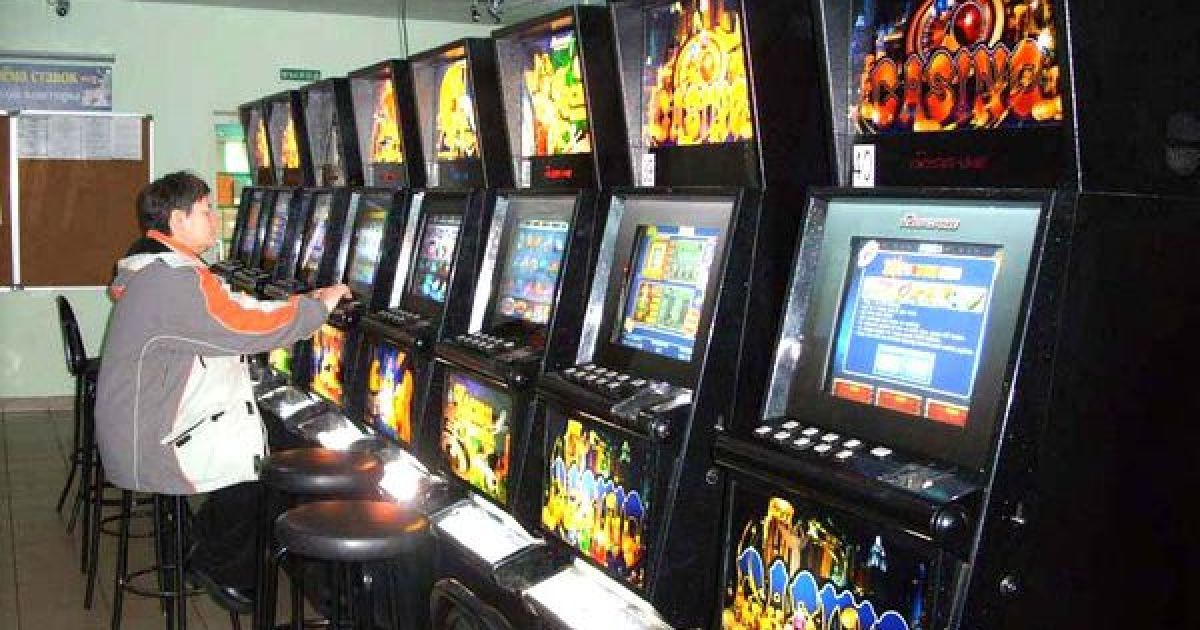
Colorful cascades with plinko offer thrilling prize opportunities and simple gameplay
The allure of a simple game of chance, where gravity and a little bit of luck determine the outcome, has captivated audiences for generations. This is the essence of , a game that has found a prominent place in both traditional game shows and the burgeoning world of online casinos. The visually striking cascade of a disc as it bounces down a board filled with pegs evokes a sense of anticipation and excitement, making it a universally appealing pastime. Its straightforward mechanics belie the underlying probabilities and the thrill of potentially winning a prize.
Beyond its entertainment value, the game offers a unique blend of simplicity and strategic thinking, although the latter is largely dictated by the initial drop point. The potential for varied outcomes and the plinko visually dynamic nature of the game contribute to its lasting appeal. From its roots in television game shows to its modern digital adaptations, the core principle of a falling disc navigating a network of obstacles remains delightfully consistent. The inherent randomness adds a layer of unpredictability that keeps players engaged and coming back for more.
The Mechanics of the Plinko Game
At its heart, the game embodies a fascinating demonstration of probability and randomness. A disc, typically round and of a moderate weight, is released from a point high on a vertical board. The board is populated with rows of pegs or pins. As the disc descends, it inevitably collides with these pegs, deflecting it either to the left or to the right with each impact. This seemingly haphazard bouncing continues until the disc reaches the bottom of the board, where it falls into one of several designated slots, each associated with a different prize value. The positioning of the release point significantly influences, but doesn't guarantee, where the disc will ultimately land.
The distribution of prize values in the bottom slots isn't usually uniform. Often, a larger prize is positioned in the center, requiring a particularly fortunate cascade to secure. Smaller, more frequent prizes are distributed along the sides, offering a higher probability of winning something, albeit of lesser value. The angle and spacing of the pegs play a crucial role in dictating the likelihood of the disc landing in any given slot. A wider peg spacing generally leads to more unpredictable bounces, whereas a closer spacing can create more directed paths. This is why careful design of the board is vital for creating a balanced and engaging game experience.
Understanding Probability and Variance
The seemingly random nature of the bounces can be analyzed through the lens of probability. While each bounce represents a 50/50 chance of deflection (assuming identical peg spacing and disc characteristics), the cumulative effect of numerous bounces creates a distribution that approximates a normal curve. This means that the slots near the center tend to be hit more frequently, though outcomes are still far from predictable. The concept of variance is also important here. High variance indicates that outcomes are more spread out – you're likely to see larger swings in wins and losses. Low variance means outcomes are clustered closer to the average.
Understanding these probabilistic principles doesn't guarantee success in the game, but it does provide a framework for appreciating the dynamics at play. Players can observe patterns, although each game remains independent. The core enjoyment often stems from the anticipation of the unpredictable, the visual spectacle of the cascading disc, and the simple hope of landing on a rewarding prize slot. The feeling is akin to watching a pinball machine without the ability to actively control the flippers, relying purely on the initial momentum and the physics of the game.
| Slot Position |
Prize Value |
Probability of Landing |
| Leftmost |
$5 |
10% |
| Middle-Left |
$25 |
15% |
| Center |
$100 |
20% |
| Middle-Right |
$25 |
15% |
| Rightmost |
$5 |
10% |
This table illustrates a typical prize structure, demonstrating the higher probability of smaller wins and the lower, yet more rewarding, chance of hitting the center slot. It's important to note that these probabilities are merely illustrative and can vary significantly depending on the specific game setup.
The Evolution of Plinko: From Game Shows to Online Casinos
The game’s origins are deeply rooted in the world of television game shows, most notably as a prominent feature on the iconic “The Price Is Right.” Introduced in 1972, the Plinko board quickly became a fan favorite, adding a unique element of suspense and excitement to the show. The large, colorful board and the satisfying ‘plink’ sound as the disc descended created memorable television moments and cemented the game's place in popular culture. The visual drama and the genuine reactions of contestants contributed significantly to its appeal. The simplicity of the rules also made it accessible to a broad audience.
The transition from television to the online casino world was a natural progression. Digital adaptations of the game retain the core mechanics and visual appeal while offering the convenience of playing from anywhere with an internet connection. Online versions often incorporate additional features, such as varying prize multipliers, bonus rounds, and different board configurations, enhancing the gaming experience. The use of random number generators (RNGs) ensures fairness and impartiality in these digital versions, replicating the unpredictability of the physical game. The accessibility of online plinko has broadened its reach and introduced it to a new generation of players.
The Appeal of Online Plinko Variations
The adaptability of the game has led to a multitude of online variations, each offering a unique twist on the classic formula. Some versions feature dynamically adjusting prize values, increasing the potential for large payouts. Others incorporate bonus games triggered by specific landing positions. Still others introduce different board layouts with varying peg densities and slot configurations. These variations cater to a diverse range of player preferences and maintain the excitement of the original game.
The integration of modern technology, such as enhanced graphics and sound effects, further enhances the online experience. Many platforms also offer social features, allowing players to compete against each other and share their winnings. The convenience of mobile gaming has also played a significant role in the growth of online plinko, allowing players to enjoy the game on their smartphones and tablets. This accessibility has transformed the game from a television spectacle into a readily available form of entertainment.
- Accessibility: Play anytime, anywhere with an internet connection.
- Variations: Numerous versions with unique features and prize structures.
- RNG Fairness: Random number generators ensure impartial outcomes.
- Enhanced Graphics: Visually appealing and immersive gameplay.
- Social Features: Opportunities to compete and share with other players.
These features collectively contribute to the enduring popularity of online plinko, attracting both casual players and those seeking a thrilling gaming experience.
Strategies for Playing (and the Illusion of Control)
While is fundamentally a game of chance, players often attempt to identify patterns or strategies to improve their odds. These strategies typically involve analyzing historical results, observing peg arrangements, or attempting to predict the trajectory of the disc. However, it's crucial to understand that each drop is an independent event. Past outcomes do not influence future results. The attempt to find patterns can be a source of entertainment for some players, but it doesn't alter the underlying probabilities.
One common approach is to focus on the release point, aiming for a specific area of the board that is believed to increase the likelihood of landing on a desired slot. However, the unpredictable nature of the bounces makes it difficult to consistently achieve a desired outcome. Another strategy involves observing the peg arrangement and identifying potential 'channels' or pathways that might lead to specific slots. These channels are often illusory, as even slight variations in the initial drop can dramatically alter the disc’s trajectory. The truth is, the game is designed to be random, and attributing success to strategy is often a case of confirmation bias.
Managing Expectations and Responsible Gaming
Given the inherent randomness of the game, it’s crucial to approach it with realistic expectations. Treating it as a form of entertainment rather than a guaranteed income source is essential. Setting a budget and sticking to it is a cornerstone of responsible gaming. Avoid chasing losses, as attempting to recoup previous bets can quickly lead to financial difficulties. It is vital to remember that the house always has an edge, and consistently winning is unlikely.
Recognizing the signs of problem gambling is also critical. If you find yourself spending more time and money on the game than you intended, experiencing feelings of anxiety or guilt, or neglecting other important areas of your life, seeking help is essential. Many resources are available to provide support and guidance for individuals struggling with gambling addiction. Remember to view plinko, and all forms of gambling, as a recreational activity to be enjoyed responsibly.
- Set a budget before you start playing.
- Avoid chasing losses.
- Recognize the signs of problem gambling.
- Treat the game as a form of entertainment.
- Be aware of the house edge.
Adhering to these principles will help ensure that your plinko experience remains enjoyable and doesn't lead to financial or emotional distress.
The Future of Plinko: Innovation and Virtual Reality
The game’s enduring appeal suggests a bright future, with ongoing innovation continually reshaping the experience. We’re likely to see even more sophisticated online variations, incorporating advanced graphics, immersive soundscapes, and novel bonus features. The integration of virtual reality (VR) technology holds particularly exciting potential. Imagine stepping into a virtual Plinko arena, feeling the tension as you release the disc, and witnessing the cascade in a fully immersive environment.
The development of personalized Plinko experiences is also a possibility. Algorithms could analyze player preferences and tailor the game’s parameters – such as prize values and board configurations – to create a more engaging and rewarding experience. Furthermore, the gamification of plinko, incorporating elements of progression, rewards, and social interaction, could attract a wider audience. The success of plinko stems from its simplicity, but it’s also adaptable. It’s future is likely as dynamic as the bouncing disc itself.
The Allure of Randomness: Beyond the Prizes
While the potential for winning prizes is a primary driver of engagement, the inherent appeal of extends beyond monetary rewards. The game taps into a fundamental human fascination with randomness and chance. The anticipation of the unknown, the thrill of watching the disc navigate its unpredictable path, and the simple joy of a lucky bounce all contribute to the experience. This fascination isn't new; lotteries, dice games, and coin flips have captivated people for millennia, offering a tangible representation of uncertainty and possibility.
The visual spectacle of the cascading disc also plays a significant role. The bright colors, the satisfying ‘plink’ sound, and the dynamic movement create a captivating sensory experience. This is why plinko often appears in environments designed to induce excitement and encourage participation. The game’s enduring popularity is a testament to the power of simple mechanics, unpredictable outcomes, and the universal appeal of a bit of good fortune. It’s a modern iteration of a timeless human inclination – the desire to test one's luck and experience the thrill of the unknown.