
The Psychology of Color in Casinos
Color plays a crucial role in influencing emotions and behaviors, which is why casinos strategically use specific colors throughout their establishments. For instance, red and gold are common colors found in casinos as they are believed to evoke feelings of excitement and positivity. Red can stimulate energy levels and increase heart rates, making players feel more engaged in the gaming experience. Many players enjoy their time at 1win , where gold signifies wealth and luxury, reinforcing the allure of winning big.
Moreover, the use of colors can impact a player’s perception of time and money. Research indicates that certain colors may distract players from the passage of time, causing them to spend more. Darker shades might create a more intimate atmosphere, while brighter colors can enhance the feeling of vibrancy and activity. The overall color scheme in a casino is designed to manipulate emotions subconsciously, encouraging patrons to gamble longer and spend more.
From the entrance to the gaming floors, the color choices are meticulously planned. For instance, complimentary colors may guide players through the various areas of the casino, leading them to high-stakes tables or slot machines. The cohesive palette creates a seamless experience, where players are enveloped in an environment that keeps them energized and focused on their games. This strategic use of color helps casinos maximize their profits while ensuring guests have a thrilling experience.
The Role of Sound in the Casino Environment
Sound design in casinos is just as vital as color choice, aimed at enhancing the overall gambling experience. Casinos often use ambient sounds, such as soft music and the gentle murmur of conversations, to create an inviting atmosphere. However, the most distinct sounds are generated by the machines themselves, like the ringing of slot machines when someone wins. These auditory cues serve as positive reinforcement, encouraging players to continue gambling in hopes of replicating that reward.
Additionally, studies show that certain frequencies and pitch levels can elicit emotional responses, which casinos leverage to influence player behavior. Upbeat music can heighten the sense of excitement, while low-frequency sounds might create a more relaxed environment. The strategic placement of speakers throughout the casino ensures that sounds are well-balanced and contribute to the overall immersive experience. Players may not even realize how sound influences their decision-making as they gamble.

The timing and volume of these sounds are crucial elements in a casino’s design. For example, the excitement of a jackpot win is amplified not just by visuals but also by a carefully composed soundtrack. Casinos may adjust the volume based on foot traffic and gaming activity, ensuring that soundscapes change dynamically. This adaptability allows casinos to maintain a vibrant, stimulating environment that keeps guests engaged and coming back for more.
The Impact of Lighting on Player Behavior
Lighting is an essential factor in setting the mood in casinos, impacting player emotions and overall gameplay experience. Bright, strategic lighting can draw attention to specific areas, such as high-stakes tables or promotions. Additionally, softer lighting can create a more intimate setting in lounges or bar areas, encouraging guests to relax and socialize. Such contrasts can guide player flow throughout the casino, optimizing traffic to specific games.
The variation of lighting intensity has psychological implications as well. Bright lights can enhance alertness, while dim lighting creates a sense of comfort and privacy. By utilizing a combination of focused and ambient lighting, casinos can create a multi-layered environment that fosters excitement and also serves as a calming retreat, depending on the needs of guests. This dual approach means that casinos can cater to a wide range of preferences.
Moreover, lighting can change dynamically to match the energy of the environment. For instance, during peak hours, lighting may become more vibrant and fast-paced to match the excitement of players at the tables. In contrast, during quieter hours, lighting may be softened to promote a more relaxed atmosphere. This adaptability ensures that players feel comfortable, whether they’re aiming for an adrenaline rush or simply looking to enjoy a casual gaming experience.
The Influence of Casino Layout on Player Engagement
The design and layout of a casino are meticulously planned to maximize player engagement and encourage spending. Casinos often employ an open-plan design with strategic placement of games, restaurants, and entertainment areas to guide players through the space. This design makes it easy for guests to navigate and discover new games, often leading them to areas where they might spend more money.
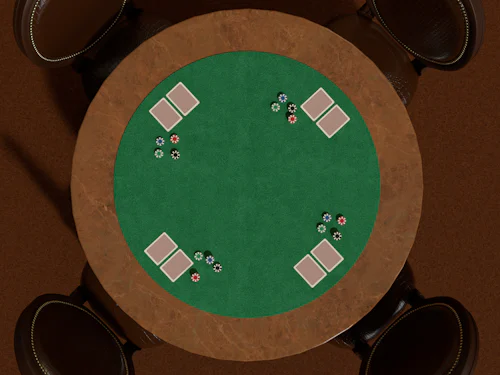
Furthermore, the arrangement of slot machines and tables can create a sense of competition among players. By placing games close together, casinos foster social interaction, which can enhance the overall gaming experience. Players often feel more excited when they hear the sounds of wins from nearby patrons, prompting them to engage more deeply with their own gameplay. This communal atmosphere reinforces the thrill of gambling.
Additionally, the layout often incorporates pathways that lead players in a circular route, making it less likely for them to find an exit easily. This intentional design encourages players to stay longer and gamble more. Casinos aim to create an environment where players feel enveloped in the excitement, constantly exposed to new experiences. This strategy effectively increases the time spent in the casino, ultimately resulting in greater revenue for the establishment.
Exploring Further into Casino Design
Understanding the tactics behind color, sound, lighting, and layout reveals the intricate world of casino design. Each element is carefully crafted to create an immersive atmosphere that keeps players engaged for longer periods. The combination of these sensory experiences contributes to the overall ambiance, making casinos feel more like entertainment hubs rather than mere gambling establishments.
For those fascinated by the psychology of gambling and casino design, numerous resources are available. Whether seeking insights into best practices in the industry or exploring how different sensory elements impact player behavior, valuable knowledge can be gleaned from expert analyses. Engaging with this information can deepen one’s appreciation of what makes casinos unique entertainment environments.
In conclusion, the thoughtful integration of colors, sounds, lighting, and layout creates a strategic ambiance in casinos. This carefully curated experience enhances player engagement and drives revenue, showcasing the industry’s understanding of psychological principles. Exploring this topic not only reveals the complexities of casino design but also offers a glimpse into the ongoing evolution of entertainment within these vibrant spaces.